November 26, 2025
Pool fences are more than just decorative—they’re vital safety features that help prevent accidents and save lives. They create a secure barrier that keeps children and pets from entering pool areas unsupervised. With growing awareness about pool-related hazards, fences have become an essential part of responsible pool ownership. Installing one isn’t just about following the law—it’s about protecting the people who matter most.
The need for pool fences stems from the increasing number of pool-related incidents each year. Many homeowners underestimate how dangerous an unfenced pool can be, especially to young children who can easily slip away unnoticed. Statistics show that drownings remain one of the leading causes of accidental death among children. As safety organizations and local governments continue promoting preventive measures, pool fencing stands out as one of the simplest, most effective ways to make swimming safer.
History and Evolution of Pool Fencing Regulations
Early Safety Efforts
In the early days of private pool ownership, there were few regulations to protect families. As drowning incidents became more common, communities began recognizing the need for physical barriers to prevent tragedies. Parents and public health advocates led the first safety campaigns, encouraging local ordinances that required pool owners to install basic fences. These early grassroots efforts laid the groundwork for the formal safety standards we have today.
Development of Standards
By the mid-1900s, national safety organizations began creating official guidelines for pool fencing. These included specific requirements for height, gate locks, and spacing between fence panels to prevent climbing. Public safety campaigns stressed that proper fencing could drastically reduce drowning incidents. Collaboration among regulators, manufacturers, and educators led to stronger materials and safer designs. Regular maintenance became part of the conversation, reminding owners that even the best fence only works if it’s kept in good condition.
Modern Updates
Recent updates to pool fencing regulations reflect modern technology and a better understanding of risk. Many states now require self-closing gates, childproof latches, and even smart systems that connect to home security devices. These improvements make compliance easier while increasing protection. Local governments and community groups also host educational programs and workshops to keep homeowners informed. Thanks to these combined efforts, pool fences today are stronger, smarter, and more reliable than ever.
Accident Prevention and Safety Statistics
Common Pool-Related Accidents
Drownings are the leading cause of accidental injury deaths among children ages one to four, second only to car accidents. According to the Centers for Disease Control and Prevention (CDC), for every child who dies from drowning, another five are treated in emergency rooms for near-drowning injuries. Most of these incidents happen when children gain unsupervised access to pools. Slips, falls, and suction entrapments also occur frequently, showing how easily fun can turn dangerous. The emotional impact on families is devastating, which is why prevention through fencing is so crucial.
The Role of Pool Fences
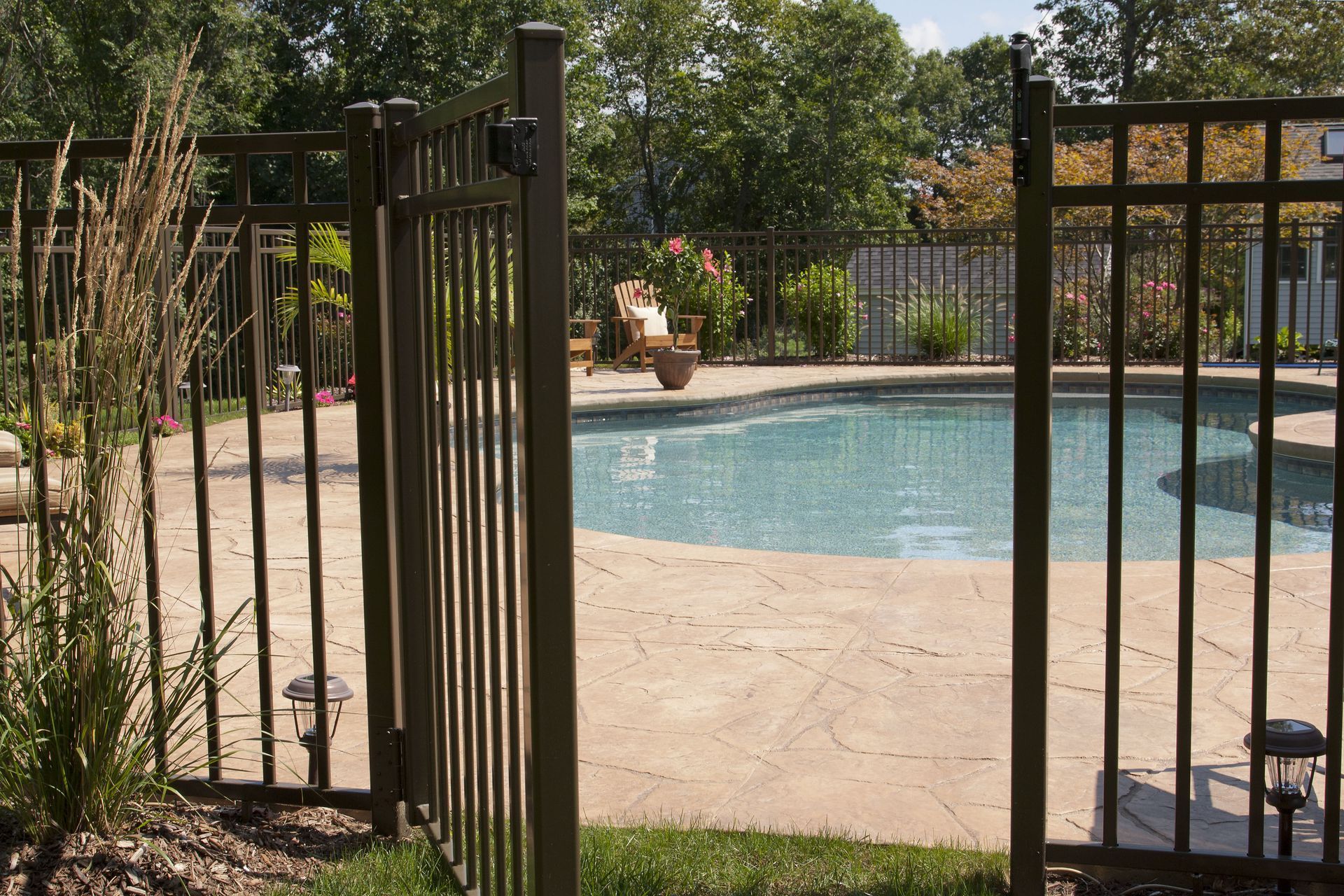
Pool fences are a pool’s first line of defense. A properly installed fence isolates the pool from the rest of the yard, blocking access when adults aren’t around. Experts recommend fences that are at least four feet high with self-closing, self-latching gates that open outward. According to the National Drowning Prevention Alliance, isolation fencing can reduce the risk of childhood drowning by up to 83%. That statistic alone proves how critical a pool fence is for safety.
Trends in Pool Safety
Tracking safety data helps experts fine-tune prevention strategies. Annual reports show that fencing, combined with education and supervision, greatly reduces drowning rates. Summer months still see higher incidents, often due to lapses in supervision. Safety advocates promote a “layers of protection” approach—combining fences with alarms, pool covers, and swimming lessons. Regularly analyzing this data helps shape smarter laws, better fence designs, and stronger awareness campaigns, making every swimming season a little safer.
Design and Material Considerations
Types of Pool Fences
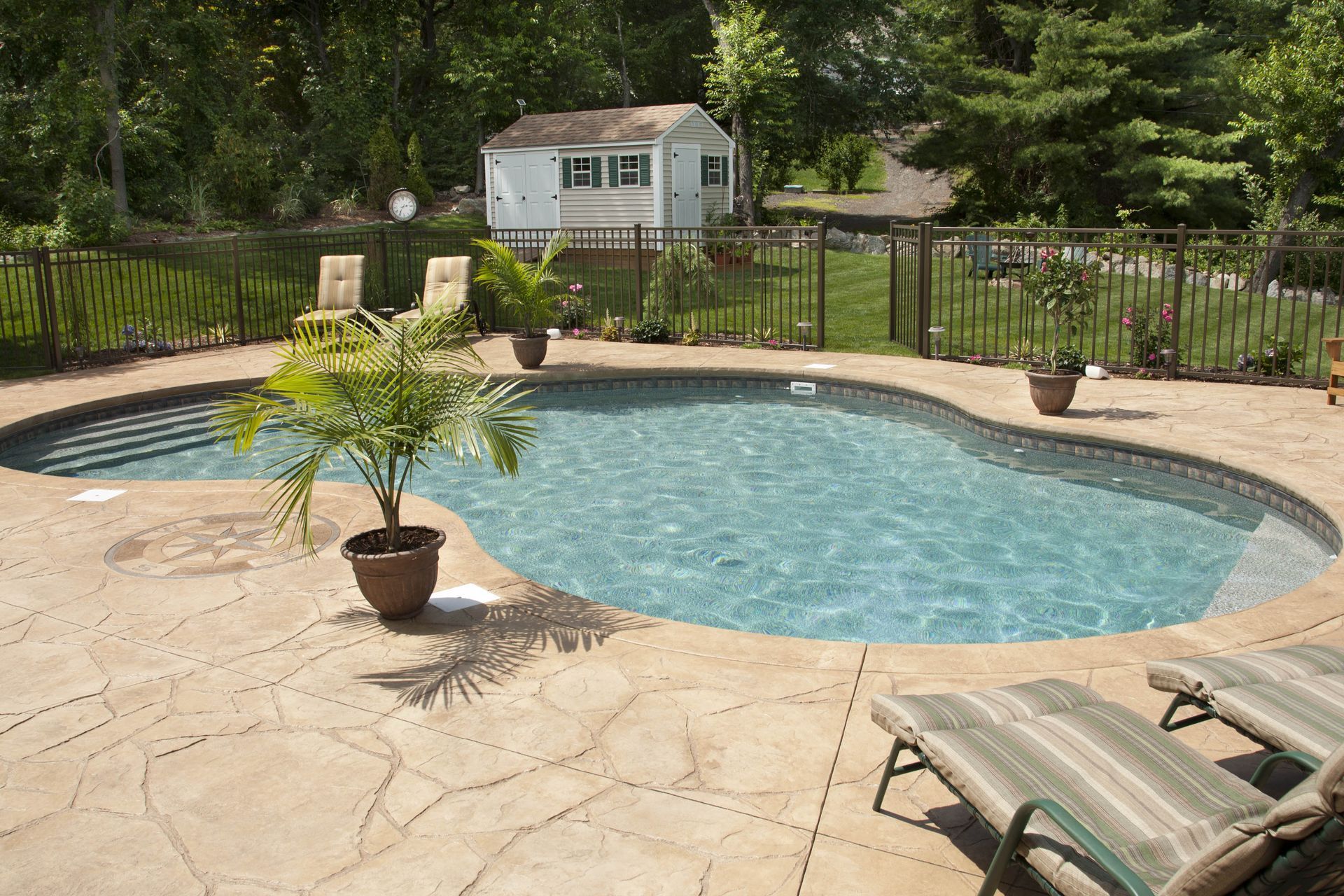
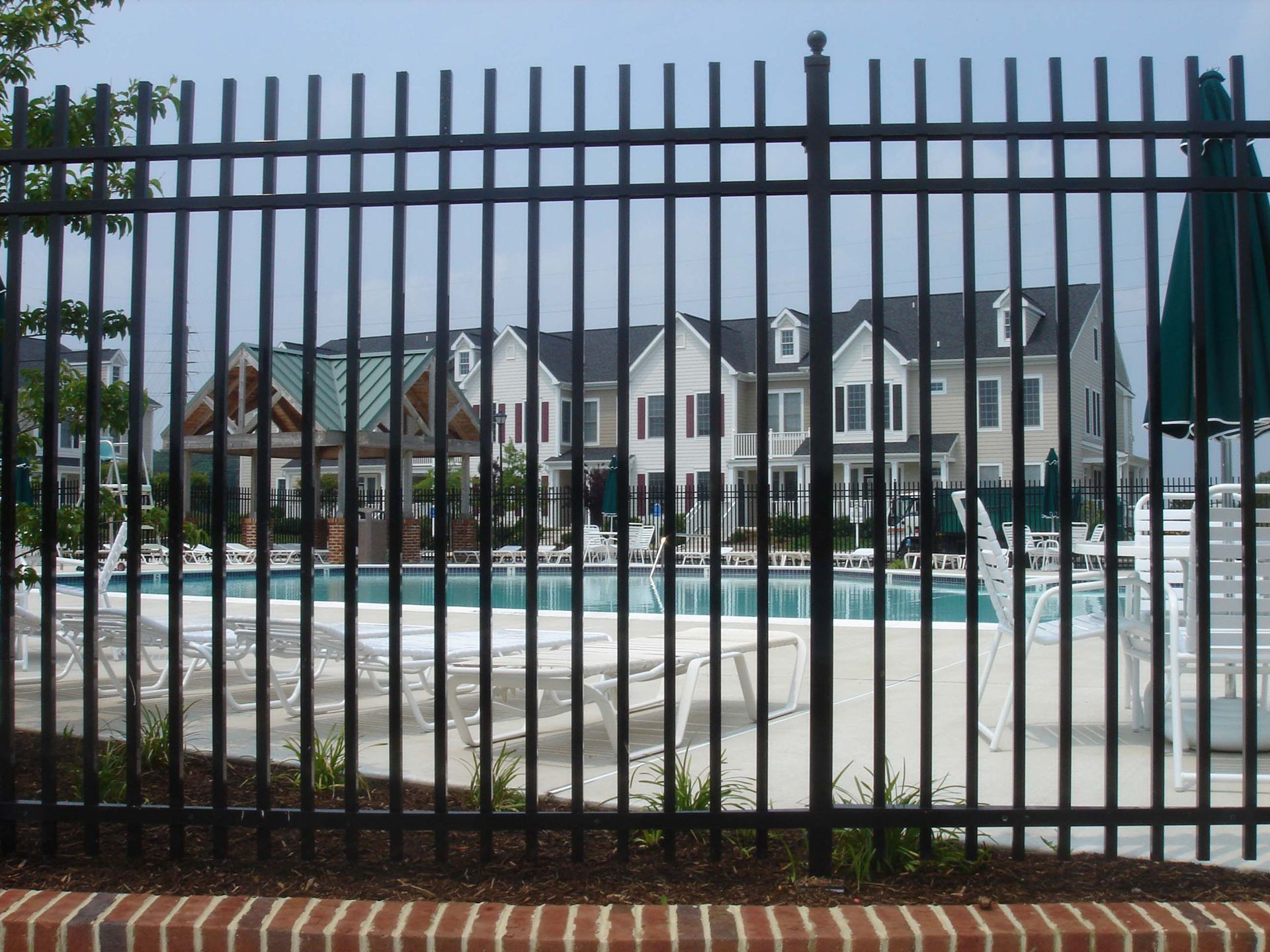
Pool fences come in several materials, each with unique advantages. Aluminum and steel fences are popular for their durability and low maintenance. Glass fencing offers a modern, transparent look that keeps views unobstructed. Mesh and vinyl options are lightweight, affordable, and easy to remove when needed. The right choice depends on your budget, your pool’s layout, and your local building codes.
Key Design Features
The most effective pool fences focus on function and security. Vertical bars should be close enough together to prevent climbing, and gates should open outward from the pool. Self-closing and self-latching mechanisms should be placed high enough to be out of a child’s reach. Fences should fully surround the pool without gaps at the bottom. Clear or see-through materials allow easy supervision while maintaining safety and style.
Durability and Maintenance
Durability is vital for maintaining long-term safety. Rust-resistant materials like powder-coated aluminum and treated steel perform well in outdoor conditions. Homeowners should inspect hinges, locks, and posts regularly to keep the fence in top condition. Sun exposure, humidity, and pool chemicals can cause wear over time, so quick repairs are essential. Routine maintenance ensures that the fence remains sturdy, reliable, and compliant with local regulations.
Integration With Modern Technology
Technology is making pool safety smarter. Automated gates, motion sensors, and home security integration allow owners to monitor pool access remotely. Some systems send smartphone alerts when a gate is left open or tampered with. These tools add another layer of safety while supporting traditional fence designs. Although technology can’t replace supervision, it’s a powerful aid in preventing unauthorized access and potential accidents.
Balancing Safety and Aesthetics
Design Harmony
Today’s pool fences prove that safety doesn’t have to sacrifice style. Modern designs blend seamlessly with landscaping and home architecture. Glass panels offer a sleek, open look, while wrought iron and aluminum can match both traditional and contemporary homes. With thoughtful design choices, fences can enhance curb appeal and create a polished, secure outdoor space.
Customization Options
Homeowners can customize fences to meet both practical and aesthetic needs. Popular upgrades include color finishes, curved layouts, decorative panels, and integrated lighting. Dual-locking gates and reinforced posts offer extra security. These personalized options make it easy to combine form and function, turning your pool fence into an attractive and protective feature.
Ongoing Education and Community Awareness
Promoting a Safety Culture
Education and awareness are key to sustaining long-term safety. Community centers, schools, and local health departments often hold workshops on pool safety, emphasizing supervision and proper fencing. These efforts build a culture of prevention where everyone—parents, neighbors, and even kids—understands their role in staying safe around water. The more people know, the fewer accidents occur.
Collaborative Prevention Efforts
Partnerships between manufacturers, safety organizations, and local governments have driven progress in pool safety. By sharing research and funding awareness programs, these collaborations help make fences more accessible and effective. Some programs even provide financial aid to help low-income families install fences. Through cooperation and education, communities can dramatically lower drowning rates and make swimming safer for all.
Pool fences save lives—plain and simple. They’re one of the easiest and most effective ways to prevent drownings and other pool-related accidents. Over time, public awareness, legislation, and technological innovation have turned pool fencing into a critical safety standard. Today’s designs offer strength, style, and peace of mind in equal measure. For any homeowner, installing a proper fence isn’t just about meeting code—it’s about taking responsibility for safety. By prioritizing prevention, we make our homes and neighborhoods safer places to swim, relax, and enjoy the water without worry. Call A Safe Pool Enclosures today to learn more.